What is a school-based enterprise?
A school-based enterprise (SBE) is a real business, operated by students, inside a school. Most people just call it the school store. This guide covers how SBEs work, what students learn behind the counter, and the path from first sale to DECA Gold certification.
An entrepreneurial operation, run by students in a school setting, that sells real goods and services to real customers. Managed as a hands-on learning laboratory.
see also: For Advisors, For Students, For Districts, HardwareStudents run a real business.
DECA, the institutional home of the SBE model, describes school-based enterprises as "hands-on learning laboratories": entrepreneurial operations in a school setting, managed and operated by students, that integrate National Curriculum Standards in marketing, finance, hospitality, and management. Educators have taught with them for more than four decades.
Students choose products, set prices, manage inventory, staff the counter, handle the money, and answer for the results. An SBE sells actual products to actual customers for actual money. The stakes are small in dollars and large in learning, and for many students the store is their first job.
The longest line that isn't the cafeteria.
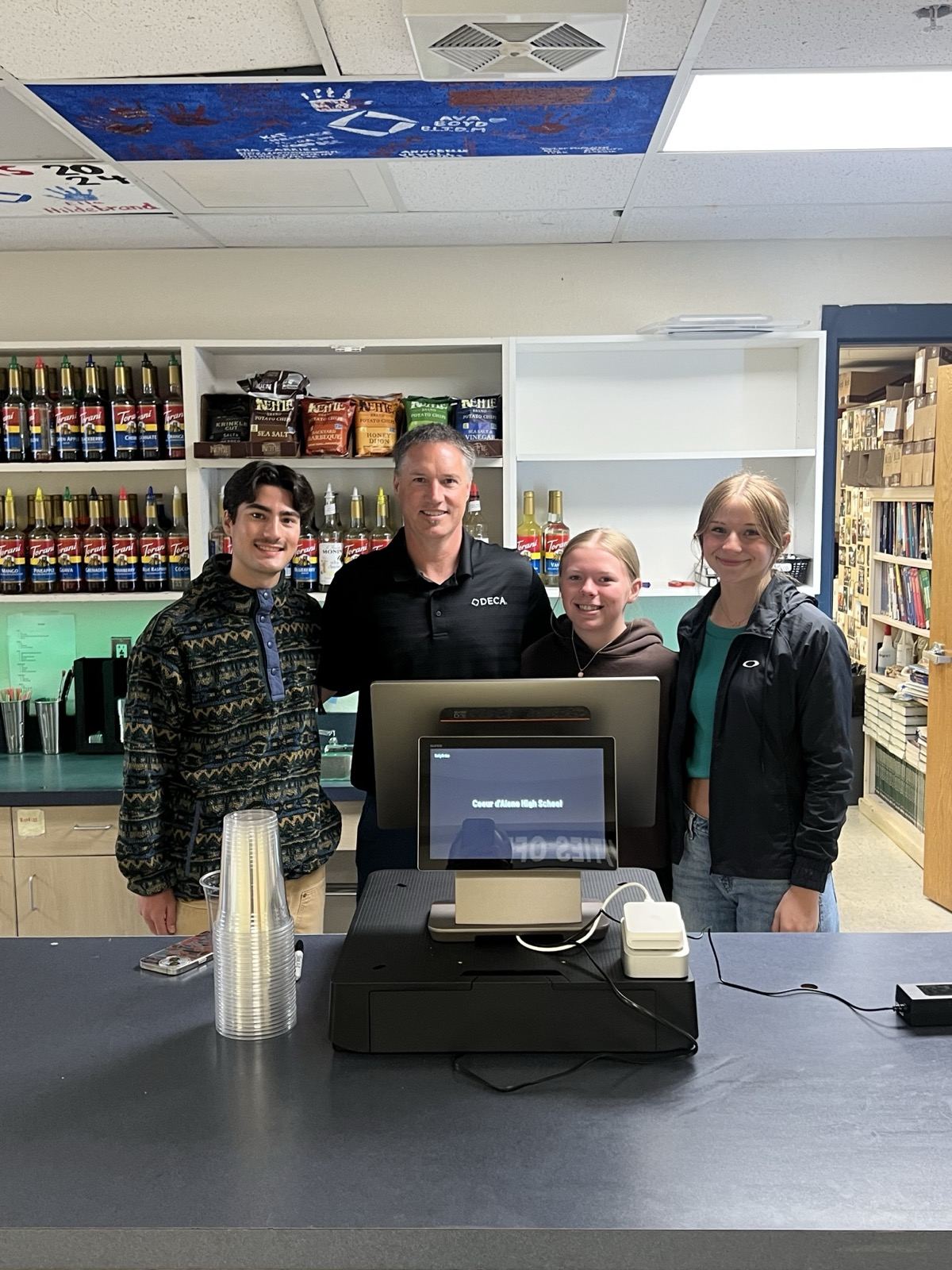
Walk into a high school at 11:45 and you will find a store that's open for business. Students operate a register, hot pizza or cookies are for sale, you could order a smoothie or a boba, or grab a hoodie on a chilly day. The breadth of options offered by SBEs is endless.
This one is the CHS Snack Shack at Coeur d'Alene High School, a DECA Gold certified SBE and the first store on RallyOrder. Students run the counter, count the drawer, and read their own sales numbers in class.
- Continuity. The store operates all year, so decisions have consequences the same students face.
- Records. Sales tracked, cash reconciled, inventory counted. The numbers are real and students read them.
- Roles. Someone is the manager. Someone owns inventory. Accountability is individual.
- Customers. Repeat customers who come back or don't. Demand disciplines every other decision.
What SBEs sell.
Most school stores blend two or three. The format matters less than the discipline: continuous operation, real records, student ownership.
What students actually learn.
The whole business, at working scale.
The DECA certification path.
DECA's SBE Chapter Certification recognizes stores that document how their business operates against DECA's standards for model operations. Students earn it by submitting an SBE manual built from the store's real records.
How to start a school store.
The complete launch playbook is free on our blog: How to start a school store →
Every playbook ships with printable one-pagers, from drawer-count slips to the weekly review agenda, at rallyorder.com/downloads. They work whether or not your store runs on RallyOrder.
The SBE partner of DECA programs nationwide.
RallyOrder is a DECA Inc. Premier Partner and the official school-based enterprise partner of Washington DECA, Texas DECA, and Idaho DECA for the 2026-27 school year. The RallyOrder founders are DECA alumni who worked school stores, and the first school on the platform is a DECA Gold SBE.



The platform SBEs run on.
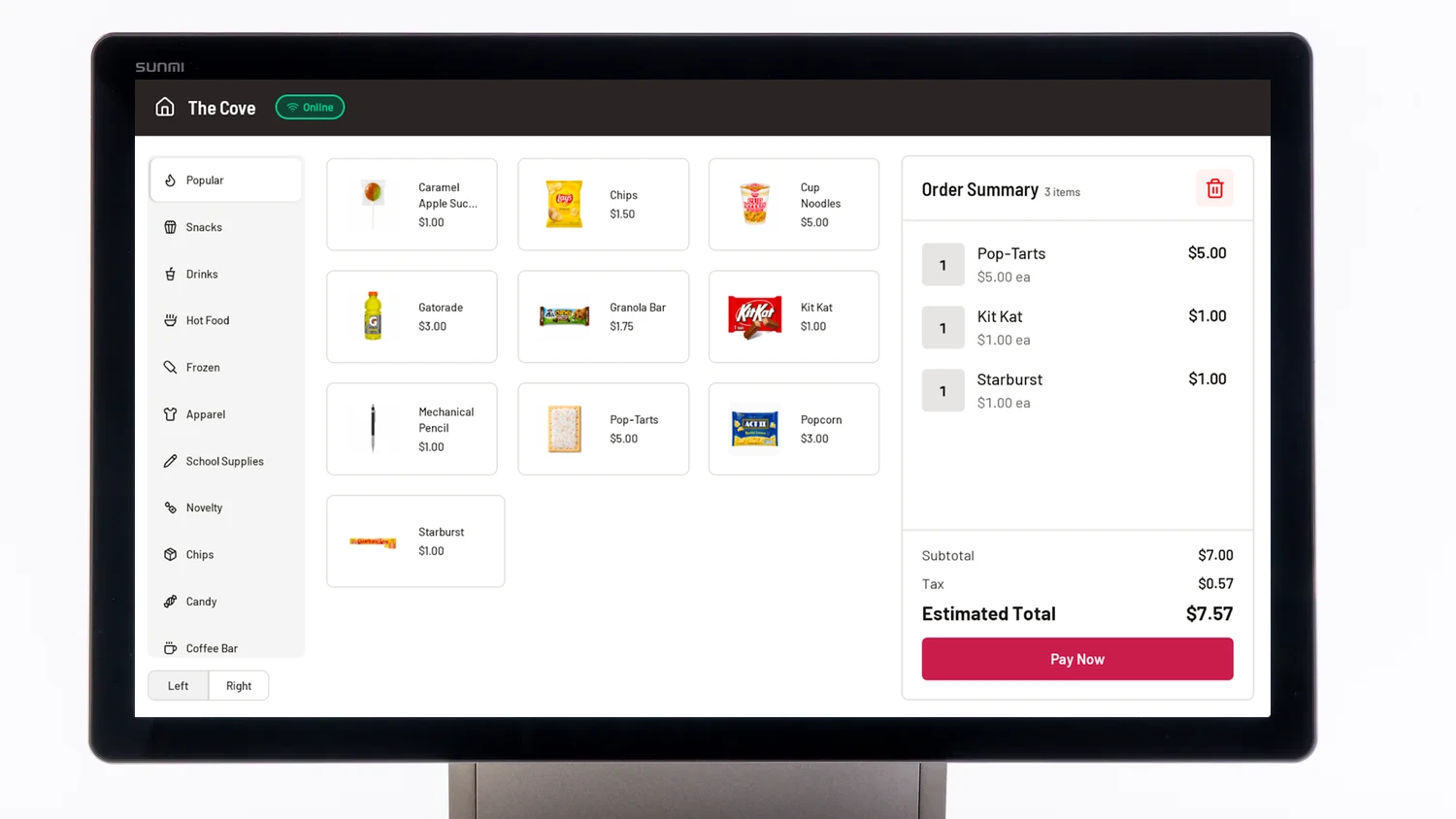
A point-of-sale students operate, connected to the inventory, metrics, and reporting of a real business, with the learning built in. The numbers students compete on at DECA run live in their own store.
But charter or no charter, software or no software: if there's a student behind a register in your building, you already have a school-based enterprise. This page, the playbooks, and the printables are for running it well.
School-based enterprise FAQ.
The school store is the most common form of SBE, and the terms travel together. "School-based enterprise" is the formal program term, and the one DECA uses; it also covers coffee carts, supply shops, concession operations, and service businesses run by students.
A student-run store can operate without any affiliation. DECA's SBE program adds the national community, the certification ladder, and the competition tie-in, which is why most serious SBEs end up connected to a DECA chapter.
Students prepare an SBE manual documenting how their store operates against DECA's standards for model operations, and DECA recognizes stores at bronze, silver, and gold levels. The submission deadline for the 2026-27 school year is January 14, 2027. Gold-certified stores can send up to two students to the SBE Academy + Competition at DECA's International Career Development Conference.
In most SBEs, students work for course credit or as a chapter activity rather than wages, and the store's proceeds fund the program. Your district's rules settle the specifics.
The range is wide: some stores clear a few hundred dollars a semester, and mature operations fund entire programs. The consistent return is the learning, and stores that treat their numbers as curriculum tend to grow the numbers too.
Most stores go from idea to first sale in six to ten weeks: one advisor, one administrator sign-off, and a first purchase order small enough to be a cheap education.
The school. In a well-run SBE, sales flow through school-controlled accounts under district financial procedures, with a named advisor of record. That structure is what makes the store defensible, auditable, and durable.
Ready to see the platform built for exactly this?
Book a demo, or start with the free playbooks and run them on any setup you have today.